




Tutorials – How To Use?
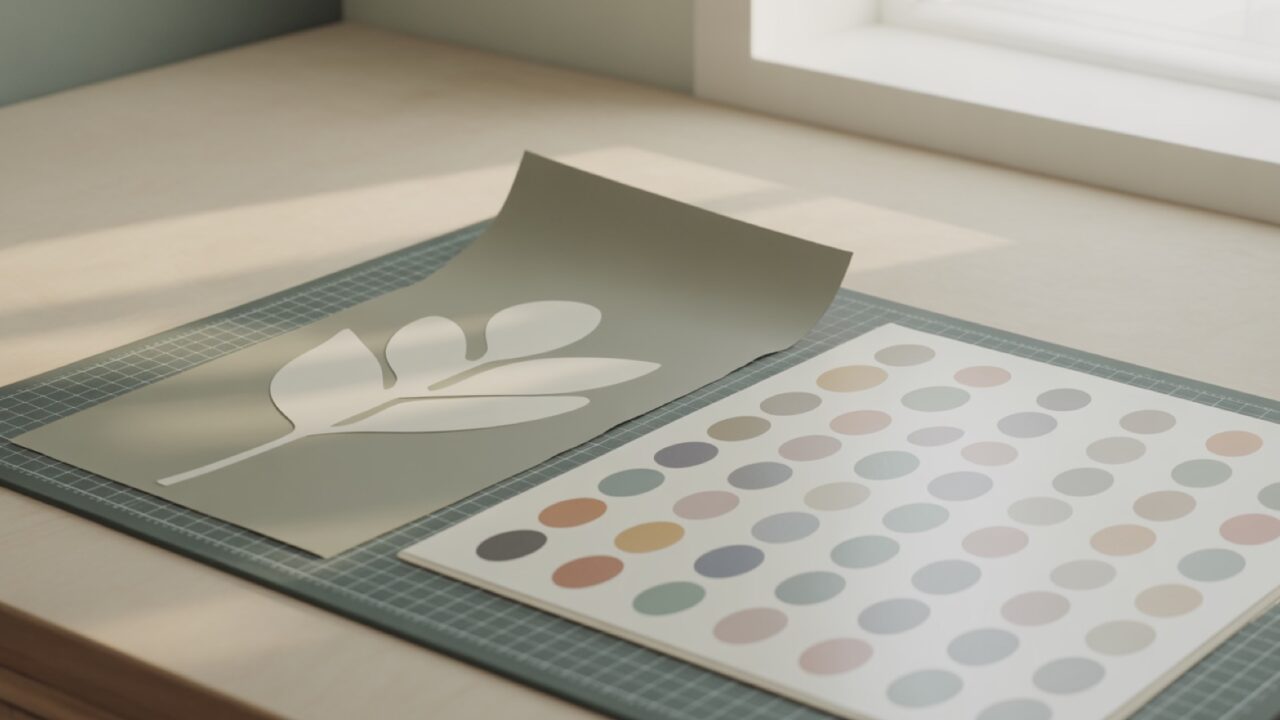
One format cuts, the other prints. This sets SVG against PNG for craft work, covering how each behaves when you scale it, edit it, or send it to a Cricut or Silhouette, and which to reach for on a given job.
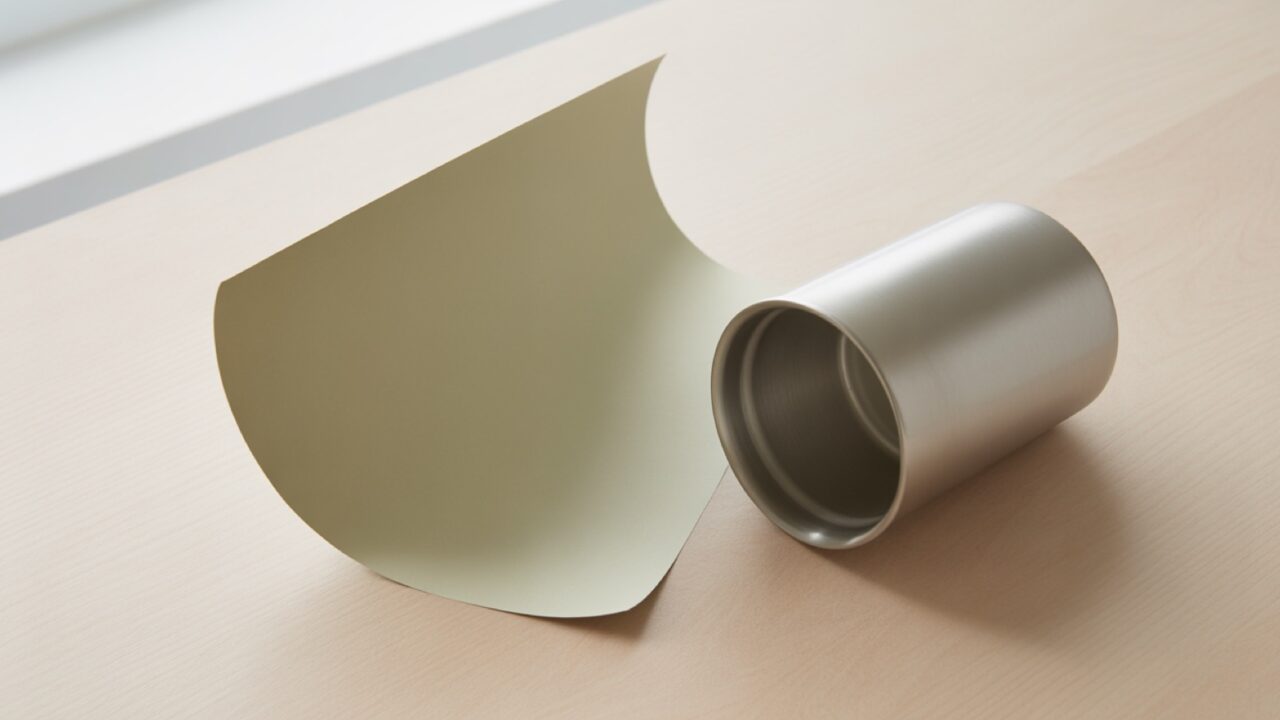
A tapered tumbler unrolls as a shallow arc, not a rectangle, and that single fact explains most seam gaps. Working wrap dimensions for common blanks, the cone geometry behind them, why supplier templates differ, and where to place the seam.
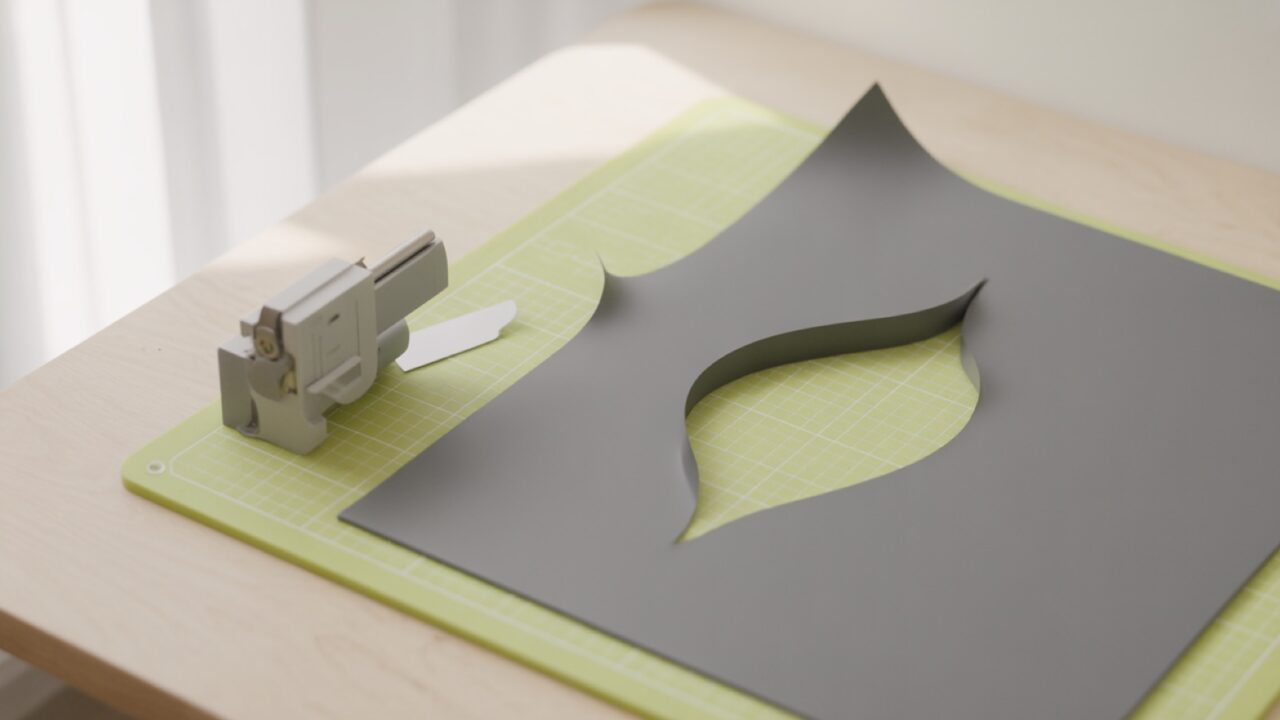
An incomplete cut is almost always one of four things, and the order you check them in saves both money and material. Material setting, housing debris, pressure adjustment and blade wear, plus the mat and file problems that look like machine faults.
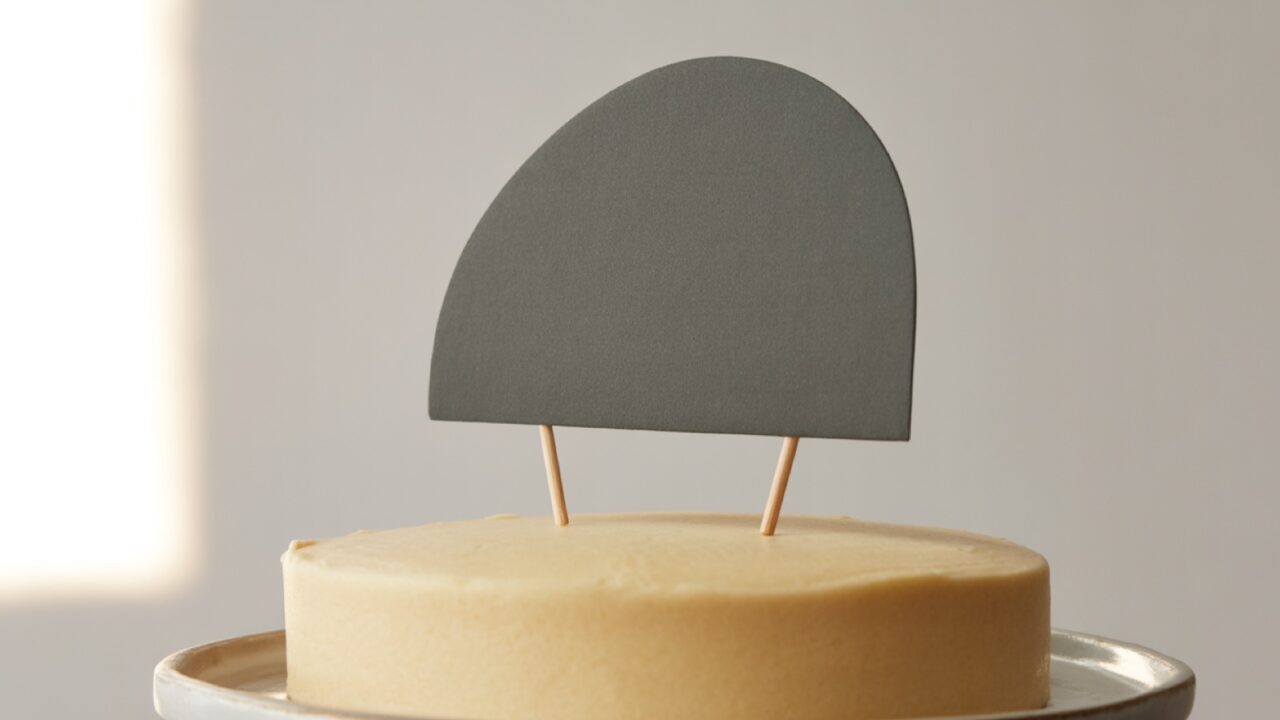
A cake topper is a small object doing a structural job, and most decisions happen before the cut. Cardstock weights that stay upright, two ways to add rigidity, sizing to the cake, and the food safety rule.

Sublimation settings change with the blank rather than the printer, from 35 seconds for fabric to twelve minutes for tiles. Published figures for common substrates, the steps that matter, and failure diagnosis.
Curve, Offset, Weld, Attach and Slice look interchangeable and are not. What each tool does to a text object, which two are permanent, how they behave on an imported SVG, and the working order that stops you rebuilding a design from scratch.
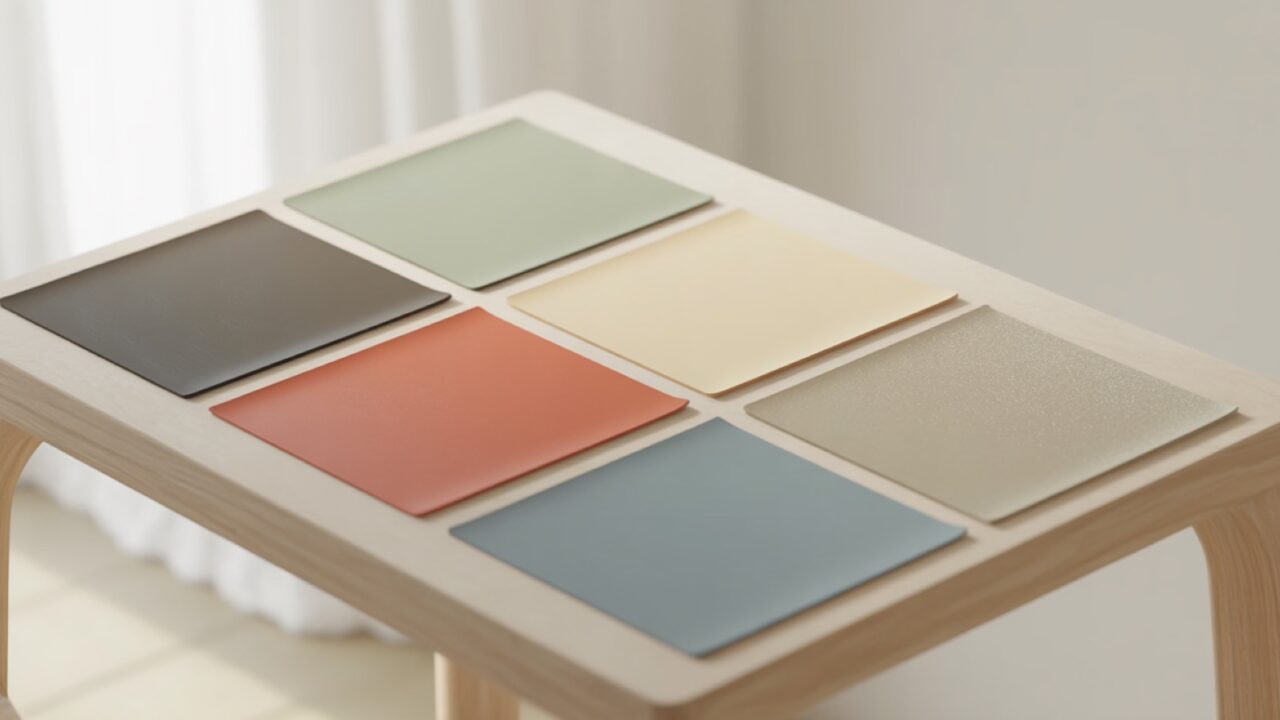
The right heat transfer vinyl is decided by the garment fabric, not by finish or price. Ten films from Siser and Cricut compared on published settings, fabric compatibility and laundering requirements.
The difference between permanent and removable craft vinyl is the adhesive, not the film. Published Orafol figures for Oracal 651 and 631, how to choose by what the surface can survive on removal, and the cutting and weeding differences between them.

Heat transfer vinyl settings come from the film maker, not the press maker, and the gap causes most failed shirts. Published temperatures and times, the pre press step people skip, and layering limits.
Design Space lists Cricut fonts and your installed system fonts in one dropdown, and that split explains almost every font question. Writing style, realistic minimum cut sizes, and missing font fixes.